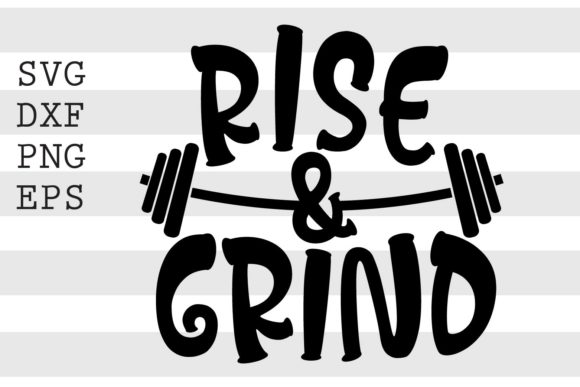
Rise and Grind SVG
As a designer who’s spent years working with machine embroidery designs, I’ve learned to look beyond the initial visual appeal of a file and consider how it will perform in real-world projects. The Rise and Grind SVG is one that caught my attention for its bold, motivational vibe and its potential to elevate a range of handmade products. But before jumping into using it on client projects or selling it as a digital asset, I wanted to take a closer look at what it brings to the table.
The First Impression: Bold, Motivational, and Ready for Action
Rise and Grind SVG immediately conveys a sense of energy and determination. The design features a strong, clean layout with a central motif that feels like a rallying cry for anyone looking to push through their day. The shape is well-balanced, making it versatile enough to work on both large and small items. It has a modern aesthetic that would fit well in a variety of settings—whether it’s on a custom sweatshirt, a tote bag, or a baby onesie.
The detail level is decent, with enough definition to make the design stand out without being overly complex. It’s not a design that requires intricate stitching, which makes it accessible for both beginners and experienced embroiderers alike. However, its simplicity also means it may not be the best choice for projects that require high levels of detail or texture.
Real-World Use: From Tote Bags to Personalized Gifts
I tested the Rise and Grind SVG on a few different fabrics and project types to see how it would hold up in actual use. On a cotton t-shirt, it looked sharp and clean, with the satin stitch areas holding up well. For a tote bag design, the size was just right—large enough to be visible but not overwhelming. It also worked well as an embroidered patch, where the design’s clarity made it easy to recognize even from a distance.
When I tried it on a sweatshirt, the design maintained its integrity, though I noticed that the thread color contrast played a big role in how it appeared. On darker fabrics, the design stood out nicely, but on lighter backgrounds, it required careful selection of thread colors to ensure visibility. This is something to keep in mind if you’re planning to use it on a variety of garments or materials.
Where to Be Careful: Fabric, Hoop Size, and Stitch Density
While the Rise and Grind SVG is generally well-suited for most standard embroidery projects, there are a few situations where it might not perform as expected. For instance, on thin or stretchy fabrics, the design could become distorted if the stabilizer isn’t properly applied. Similarly, on textured materials like fleece or corduroy, the stitches might not lay flat, which could affect the overall appearance.
The design also requires a medium-sized hoop, so if you’re working with smaller hoop sizes, you may need to adjust the layout or split the design into sections. Tiny lettering or detailed corners could be a challenge, especially on curved surfaces like caps or hats. In those cases, it’s best to test the design on scrap fabric first to ensure it looks good after stitching.
Impact on Visual Appeal and Customer Perception
One of the key factors in any embroidery project is how the final product looks to the end user. The Rise and Grind SVG has a strong visual presence that can enhance the perceived value of a handmade product. Whether it’s used on a personalized gift or a boutique item, the design adds a professional touch that customers are likely to appreciate.
For small business owners and Etsy sellers, this design can be a great addition to your product lineup. It’s versatile enough to work on a wide range of items, and its motivational theme makes it appealing to a broad audience. When paired with the right thread colors and fabric choices, it can create a cohesive brand image that resonates with customers.
Practical Designer Notes: Test, Adjust, and Optimize
Before committing to a full project, I always recommend testing any new machine embroidery design on scrap fabric. This helps identify any issues with stitch density, thread color contrast, or fabric compatibility. For the Rise and Grind SVG, I found that adjusting the stabilizer and ensuring proper hoop size made a noticeable difference in the final result.
It’s also a good idea to review the design in black and white mockups to get a better sense of how it will look on different fabric backgrounds. If you’re planning to use it for commercial projects, make sure to check the licensing terms and confirm that it’s suitable for both personal and business use.
Conclusion: A Versatile Design with Real-World Potential
The Rise and Grind SVG is a solid choice for anyone looking to add a motivational, high-energy design to their embroidery projects. It works well on a variety of items, from custom apparel to personalized gifts, and its clean layout makes it easy to adapt to different fabric types and project sizes.
With a bit of care and attention to detail, this design can become a valuable asset in your craft business or handmade shop. Whether you’re an experienced embroiderer or just starting out, it’s worth considering for your next project. Just remember to test it first, choose the right thread colors, and ensure it fits your specific needs before moving forward.